
Brahms’ “Hungarian Dances” are some of the most fun and energetic pieces in classical music, and they come with a great backstory.
Shocked by Hungarian folk music
At that beginning of 1850s, Johannes Brahms (1833-1897) was touring as an accompanist with the Hungarian violinist Ede Reményi, who had fled Hungary as a political refugee. Reményi used to play traditional Hungarian tunes during their performances.
Brahms was captivated. He, who’s usually thought of as a serious, “German” composer, got totally inspired by Hungarian folk music, especially the lively, unpredictable tempo changes and rhythmic drive.
A touch of Brahms
Brahms started taking bits and pieces from folk songs and reworking them into his own style. Many of the melodies in the “Hungarian Dances” weren’t completely original, but Brahms transformed them, adding his own harmonies and twists, giving the music a kind of “classical meets folk” vibe.
To add color and tension, Brahms used unexpected key changes, syncopated rhythms and off-beat accents, making the music feel unpredictable. This unpredictability is the main characteristic of the verbunkos/csárdás style, the style on which the old Magyar folk songs were based.
There’s even a funny story about the “Hungarian Dance No. 5”, which is probably the most famous one. Brahms borrowed its melody from a popular tune of the time, thinking it was an old folk song. Turns out, it wasn’t a popular tune at all! It was actually written by another composer: the csárdás “Bártfai emlék” (Memories of Bártfa) by Hungarian composer Béla Kéler. Luckily, there weren’t any hard feelings, but it’s a reminder of how music back then could cross between classical and folk circles in a pretty freely way.
Published in four books
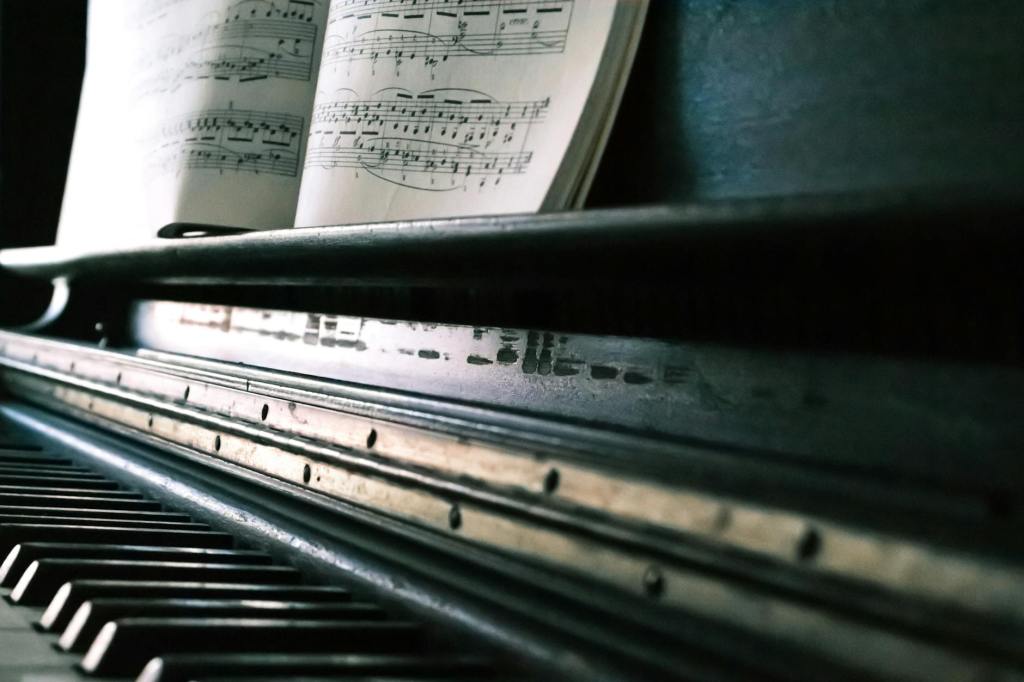
The 21 “Hungarian Dances” were written between 1858 and 1869, and published in four books between 1869 and 1880. They were written originally for piano four hands, so two people would sit at one piano and play together. The dances were an instant hit.
Brahms orchestrated a few himself, though others were done by composers like Dvořák (Nos. 17 to 21). With their upbeat rhythms, surprising key changes, and that mix of happy and bittersweet sounds, these dances wowed audiences right away. Today, they’re still some of Brahms’ most performed pieces.

 Classical Wonders