
-
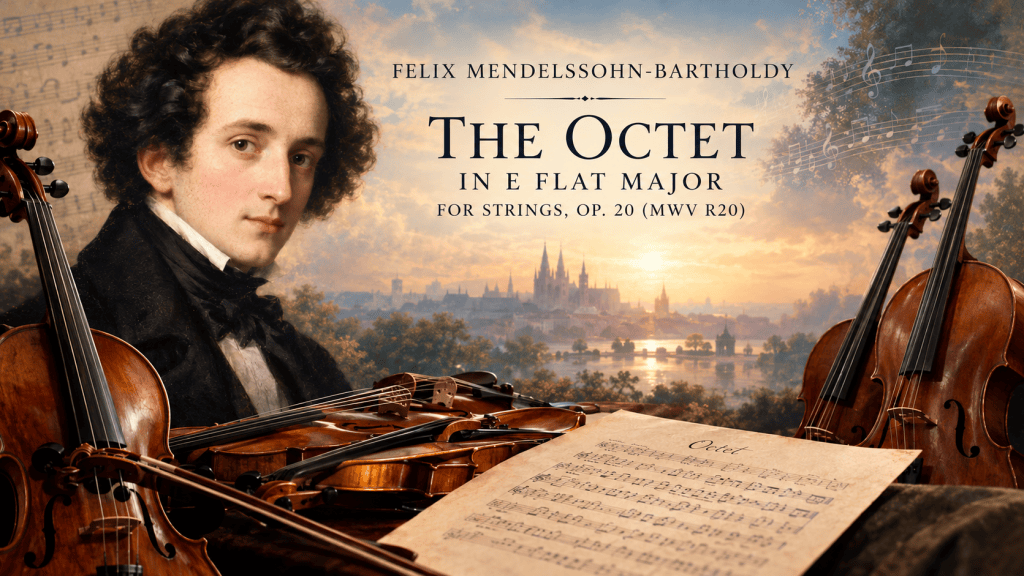 Continue reading →: Mendelssohn – String Octet
The String Octet in E-flat major, Op. 20 (MWV R20) by Felix Mendelssohn-Bartholdy is one of the most extraordinary examples of compositional precocity in the entire history of classical music.
-
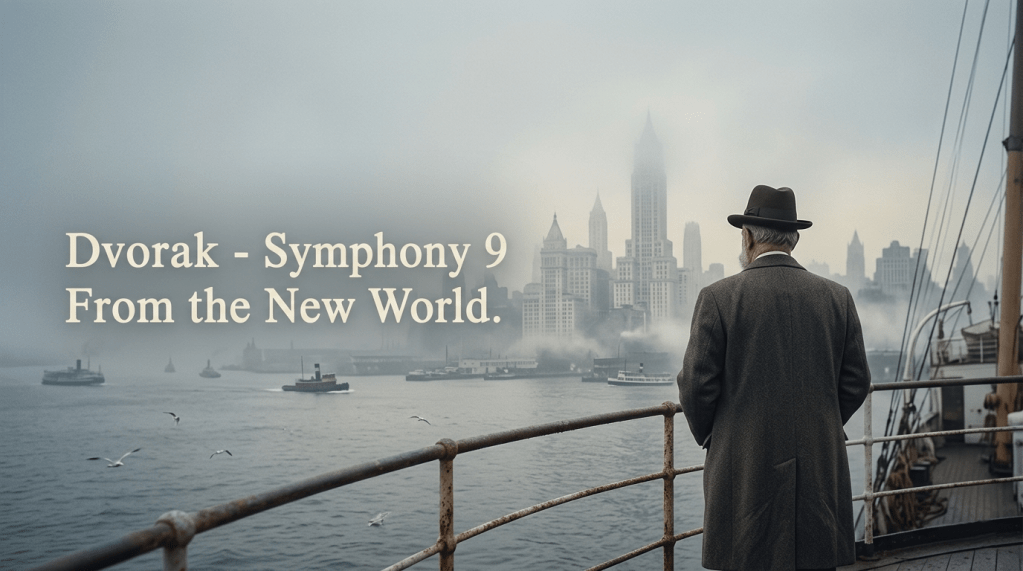 Continue reading →: Dvorak – Symphony 9 “From the New World”
To leave comfortable life in Europe, hopping on a ship, and landing in the chaotic, booming streets of 1890s New York City. That is what Czech composer Antonín Dvořák did in 1892.
-
 Continue reading →: Fryderyk Chopin – Cello Sonata in G minor
Chopin composed his Cello Sonata in 1845, dedicating it to his friend, the cellist Auguste Franchomme. It is a unique work for Chopin: among the composer’s few chamber pieces, it is the only one belonging to his late period. During this time, Chopin reveals the most pioneering and experimental aspects…
-
 Continue reading →: Sergei Rachmaninov – Symphonic Dances
Sergei Rachmaninov (1873-1943) wrote Symphonic Dances in 1940, at the very end of his life. It is his final major composition, and his only piece written in its entirety while living in the United States.
-
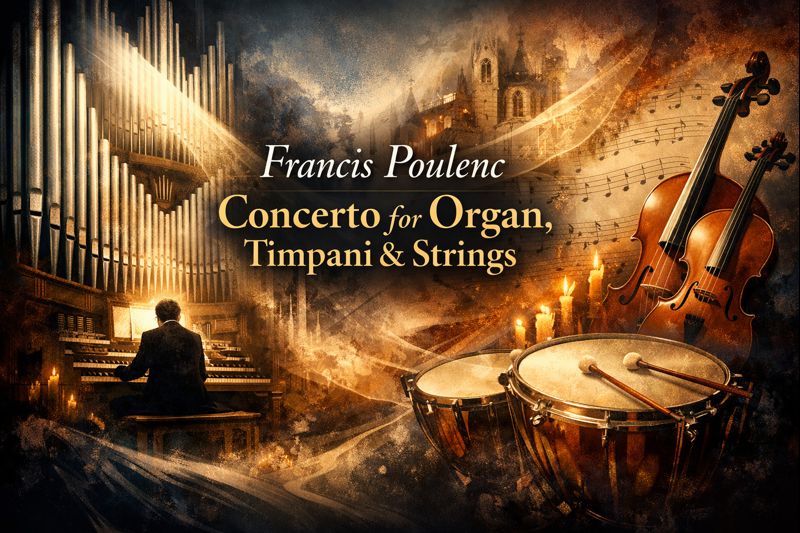 Continue reading →: Francis Poulenc – Concerto for organ, timpani and strings
Concerto for organ, timpani and strings by Francis Poulenc is not a typical baroque-sounding piece, even though it might sound like it at first. It’s actually a game-changer from the 20th century.
-
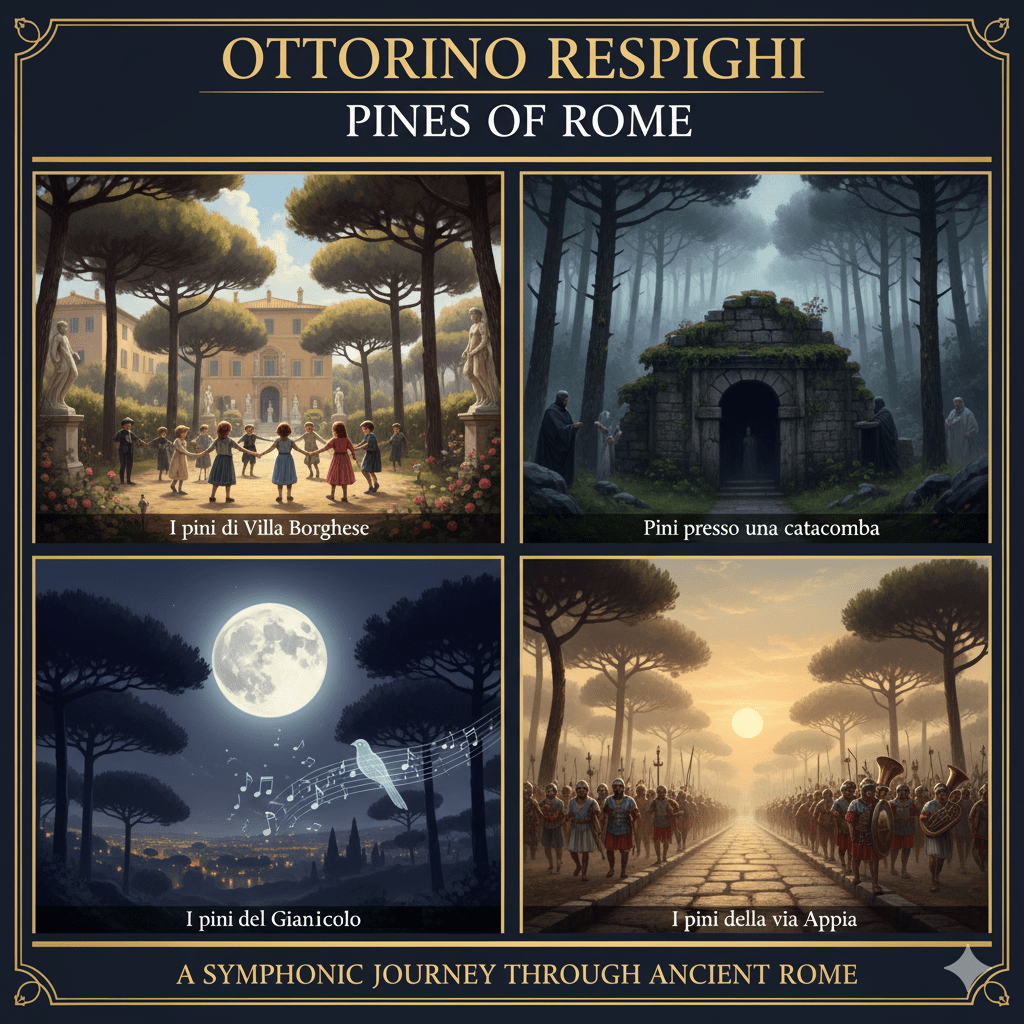 Continue reading →: Ottorino Respighi – Pines of Rome
In 1923, Ottorino Respighi (1879 -1936) moved from Bologna to Rome. The Capital immediately struck him with its marvelous fountains and its characteristic pine trees with their distinctive umbrella shape.
-
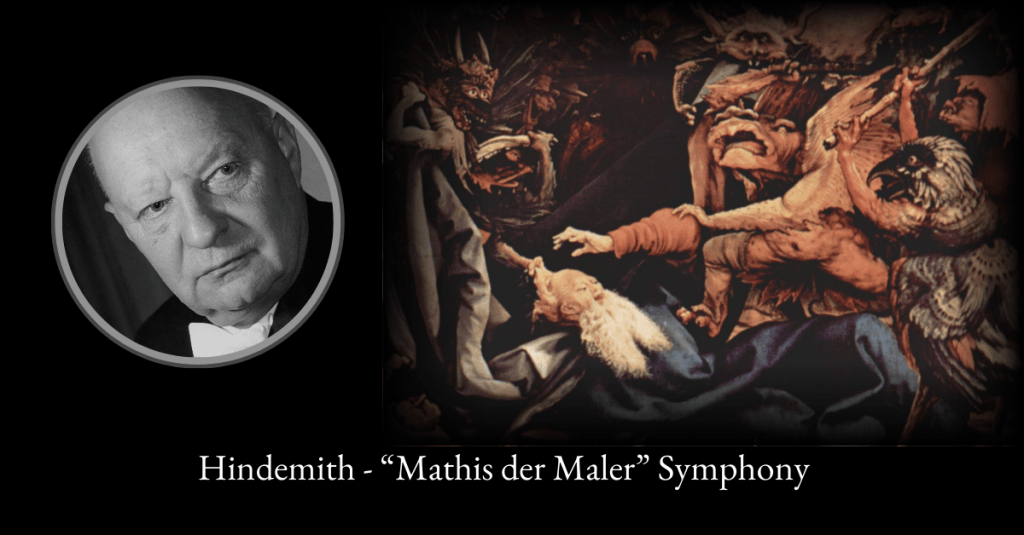 Continue reading →: Hindemith – Mathis der Maler
In the early 1930s, Paul Hindemith was working on an opera called Mathis der Maler (Matthias the Painter), based on the life of Matthias Grünewald, a Renaissance painter known for his emotional and spiritual Isenheim altarpiece. The story of the opera was about an artist struggling between creating his art…
-
 Continue reading →: Smetana – String Quartet No. 1 “From My Life”
Smetana’s String Quartet No. 1 “From My Life” (1876), isn’t just music. It tells the story of his life, from youthful dreams to the devastating moment he lost his hearing.
-
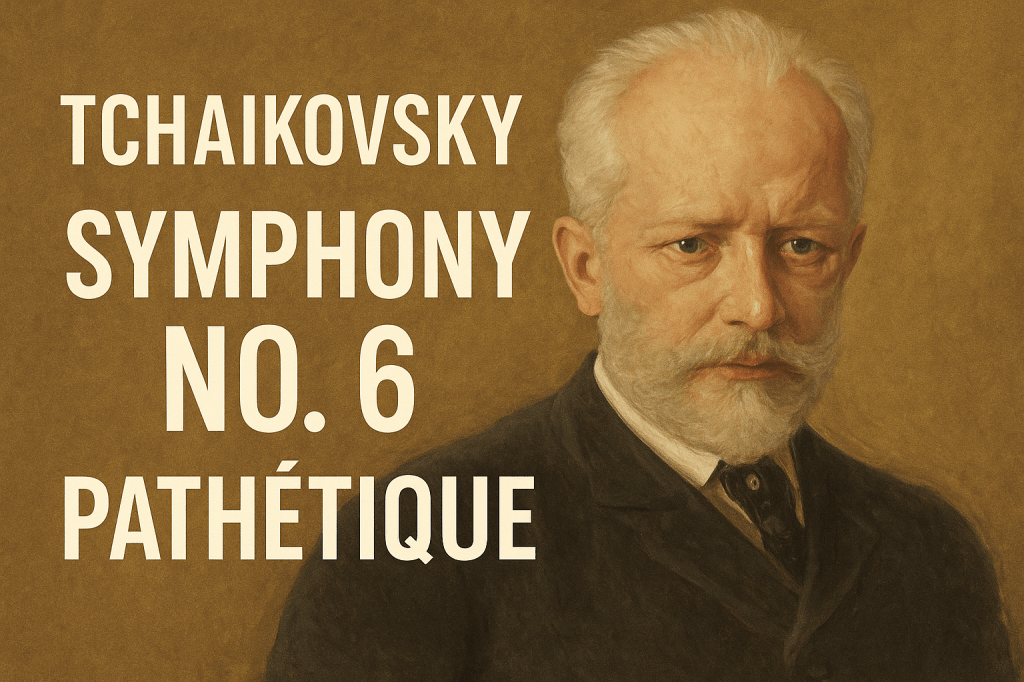 Continue reading →: Tchaikovsky – 6th Symphony Pathetique
Tchaikovsky’s Sixth Symphony, the Pathétique, was his last symphony. The composer died just nine days after conducting its premiere in 1893. Some believe the music hints at his own death. Others think the symphony hides a secret programme Tchaikovsky had never disclosed.
-
 Continue reading →: Sergei Prokofiev – Scythian Suite
The Scythian Suite by Sergei Prokofiev is a wild, explosive orchestral work with a fascinating backstory.
Sponsored By

Enhance your classic soul with a contemporary twist.


