-
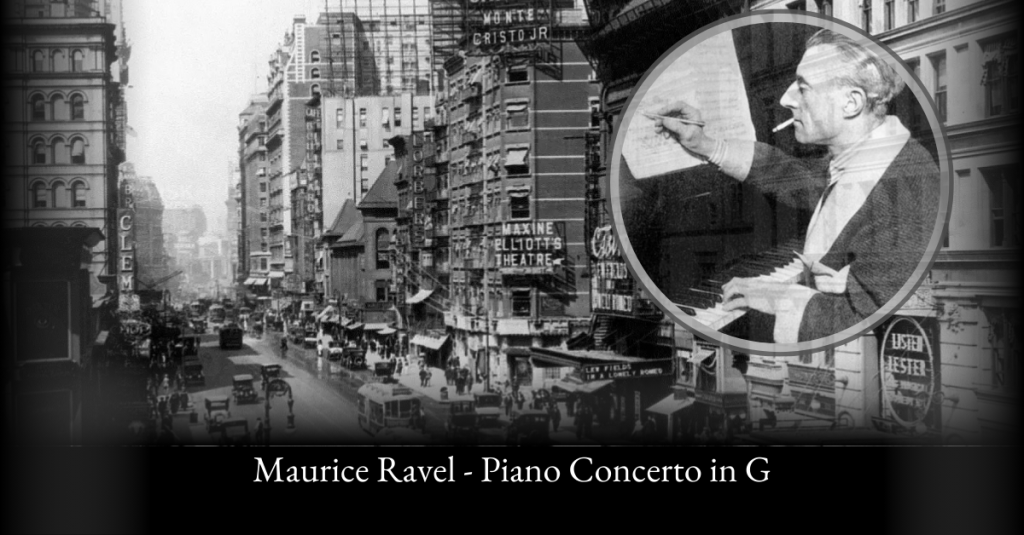 Continue reading →: Maurice Ravel’s Piano Concerto in G major
Maurice Ravel’s Piano Concerto in G major is one of the most brilliant and original works in the 20th-century piano repertoire. It’s lively, colorful, and blends jazz influences with the European classical tradition, creating a unique mix that left its mark on music history.
-
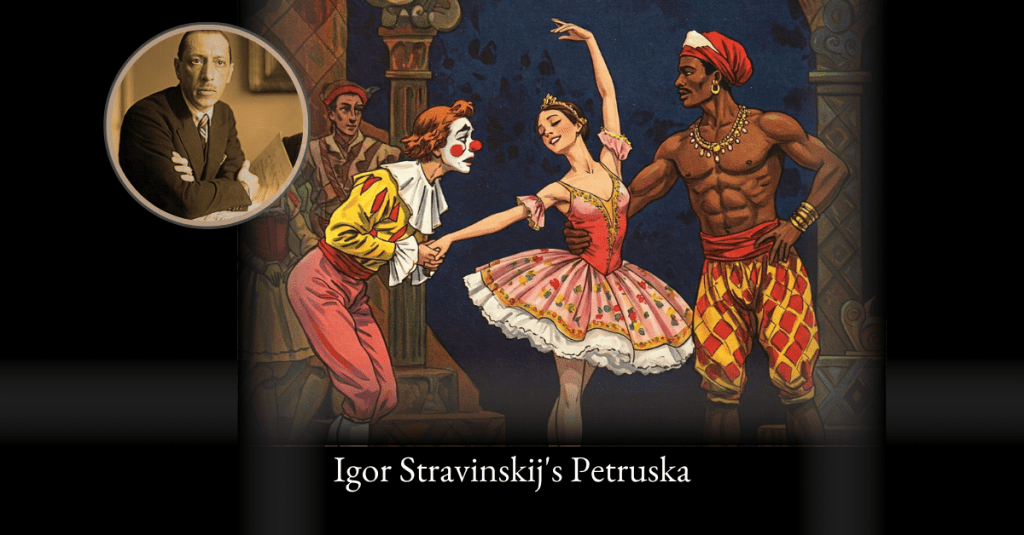 Continue reading →: Stravinskij’s Petruska
Igor Stravinskij’s Petruska is a masterpiece that everyone should hear at least once. The first five minutes are an exceptional example of Stravinsky’s absolute genius.
-
 Continue reading →: What “classical music” is for me
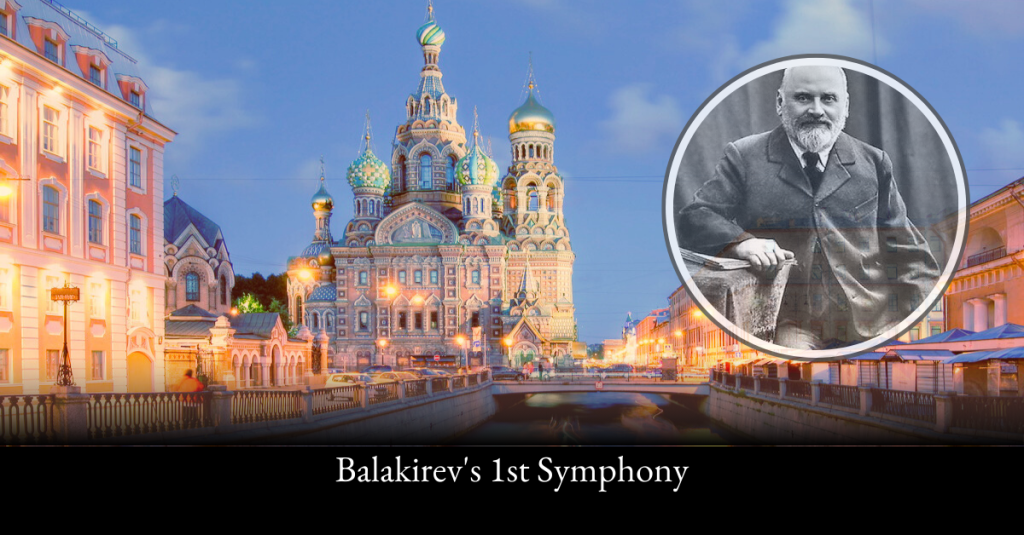
If someone asked me to tell what “classical music” is, I would pick a passage from the Balakirev’s 1st Symphony. The way the clarinet opens the third movement is just an excuse to create beauty and wonder.
-
 Continue reading →: Concerto for Orchestra
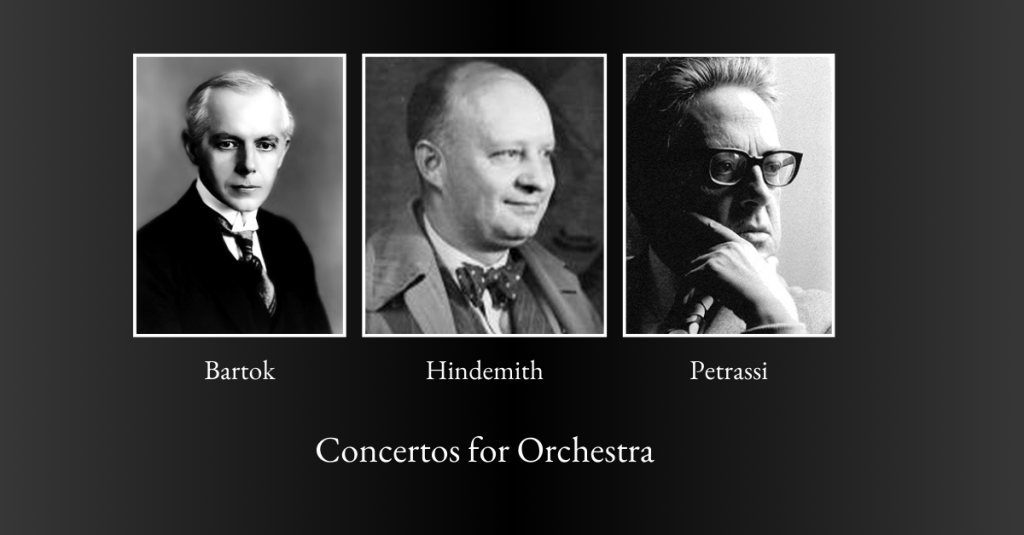
The twentieth century brought to light a new musical form. Concerto for Orchestra has been explored by many composers, let’s explore works by Hindemith, Bartók and Petrassi.
-
 Continue reading →: Brahms’ Hungarian Dances
Brahms’ “Hungarian Dances” are some of the most fun and energetic pieces in classical music, and they come with a great backstory.
-
 Continue reading →: Debussy and the birth of Impressionism
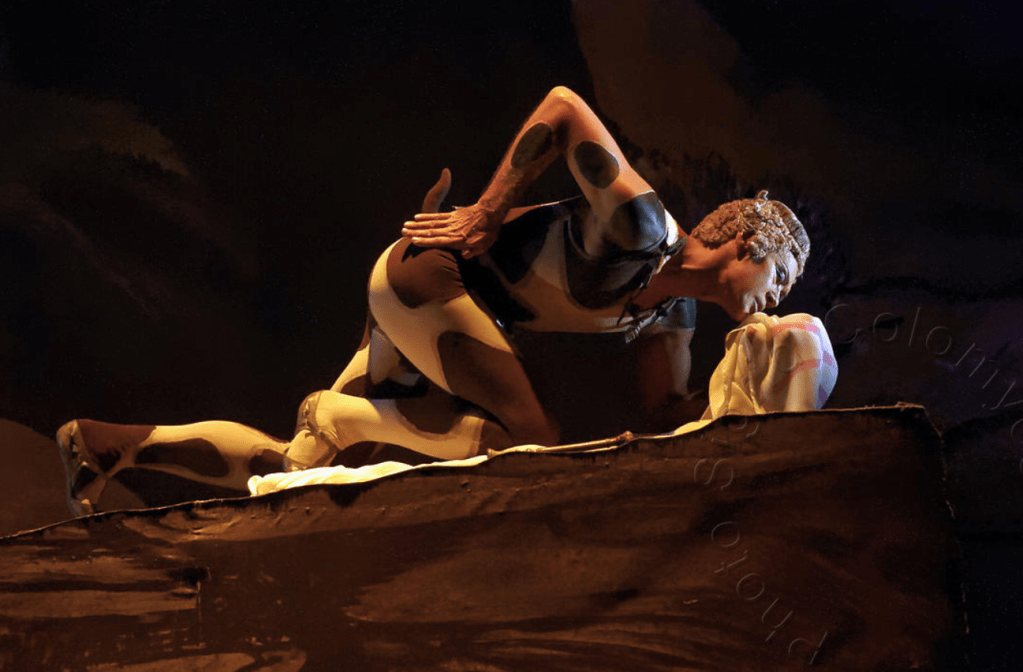
In 1894, Claude Debussy (1862-1918) presented, almost unnoticed, a work that would alter the world’s perception of music. A work that will change the sound of French music for most of the next century. With Prélude à l’après-midi d’un faune, noted Pierre Boulez, ‘the art of music began to beat…
-
 Continue reading →: György Ligeti – Atmosphères for Orchestra
Imagine a piece that begins with each instrument in the orchestra playing a different note. The resulting chromatic cluster covers more than five octaves. The conductor’s score spans two pages stacked vertically. This is György Ligeti’s Atmosphères for Orchestra.
-
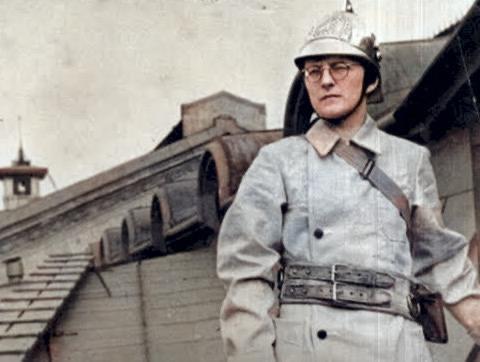 Continue reading →: Shostakovich – music under siege
The Leningrad premiere of Shostakovich’s Symphony No. 7 was an act of courage and resistance against the brutal Nazi 1941-1944 siege of Leningrad. To make this performance happen, a massive effort was put in place from musicians, officials, and citizens, for battling the life-threatening conditions caused by the blockade.
-
 Continue reading →: Louis Spohr – Symphony No. 6 “Historical Symphony”
Louis Spohr wrote a very unusual symphony, the 6th. While the first three movements are a tribute to the Baroque and Classical period, the fourth is a satirical parody of the “modern” composers.
-
 Continue reading →: Carl Nielsen – Symphony No. 4, “The Inextinguishable”
4th Symphony was the first work to bring Carl Nielsen (1865-1931) on international recognition. It was composed between 1914 and 1916, the threat of war made Carl think about a new music piece, where he wanted to express the idea that life, and the will to live, in all its…
Sponsored By

Enhance your classic soul with a contemporary twist.