-
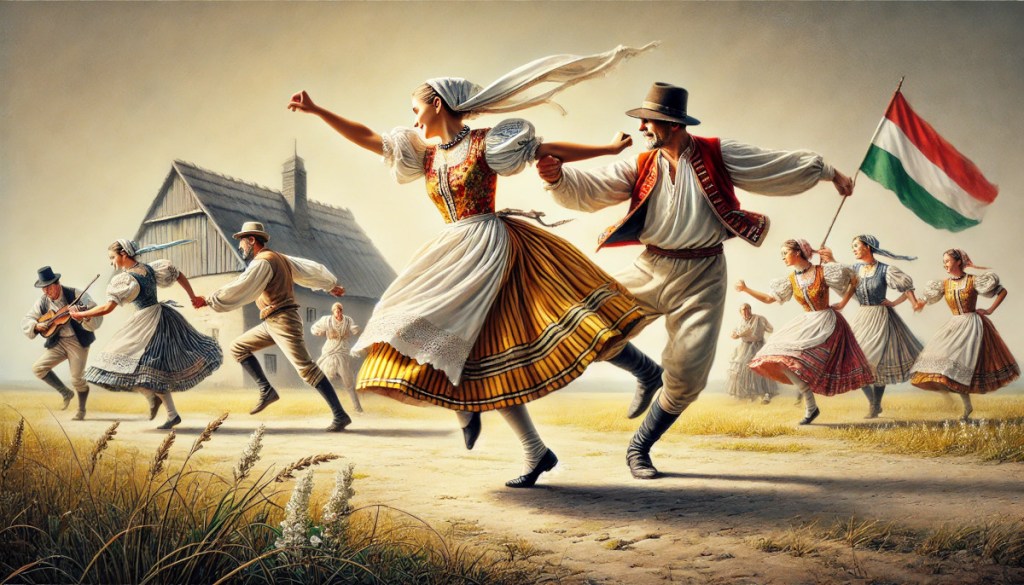 Continue reading →: Exploring Zoltán Kodály’s Dances of Galánta
Zoltán Kodály collaborated with Béla Bartók to promote Magyar folk music. His work “Dances of Galánta” celebrates folk traditions, particularly verbunkos style, which contrasts slow and lyrical sections with lively rhythms. This orchestral piece intricately mixes distinct dance themes, showcasing virtuosic instrumentation and cultural pride.
-
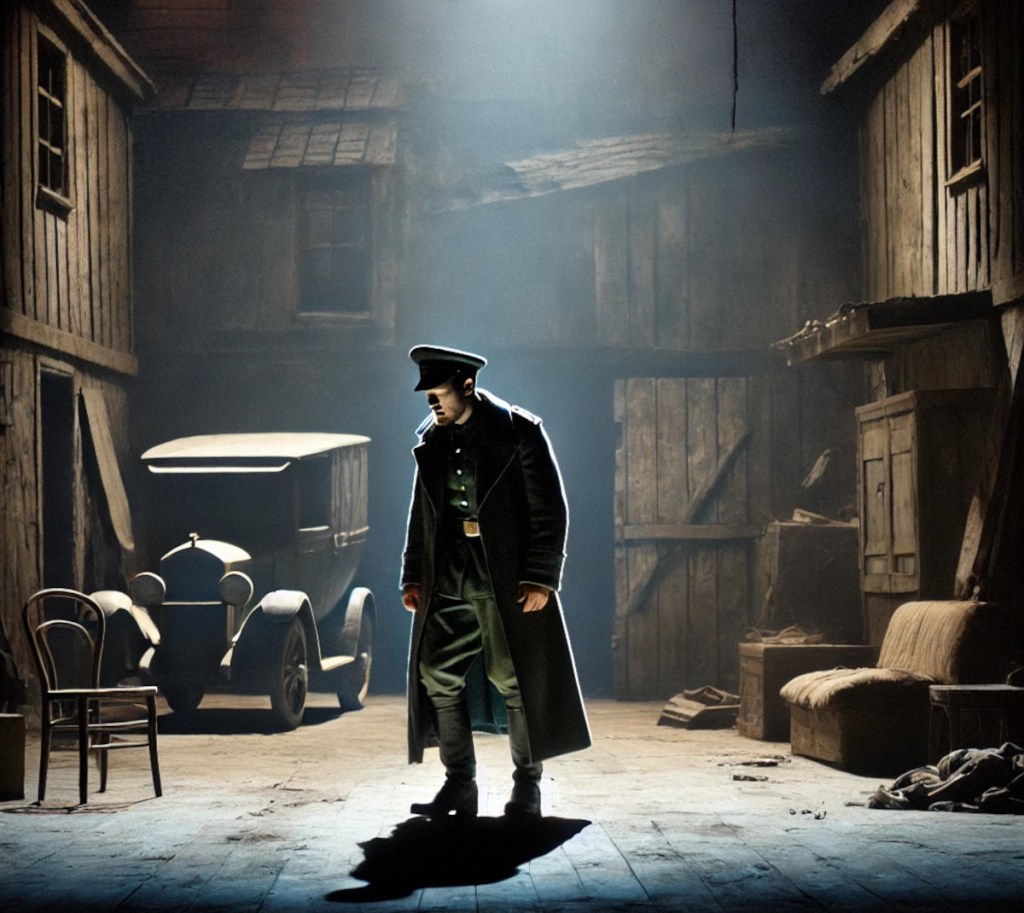 Continue reading →: Wozzeck, the modernist and brutal realism from Alban Berg
Wozzeck is an Expressionist opera composed by Alban Berg (1885-1935) between 1914 and 1922. The opera breaks away from traditional opera: its futuristic musical language merges with classical formal structure, achieving dramatic effects never seen before.
-
 Continue reading →: Offenbach – from Operetta to Serious Opera
Jacques Offenbach gained his celebrity with his operettas, but become immortal thanks to his unique serious opera, Les contes d’Hoffmann (The Tales of Hoffmann).
-
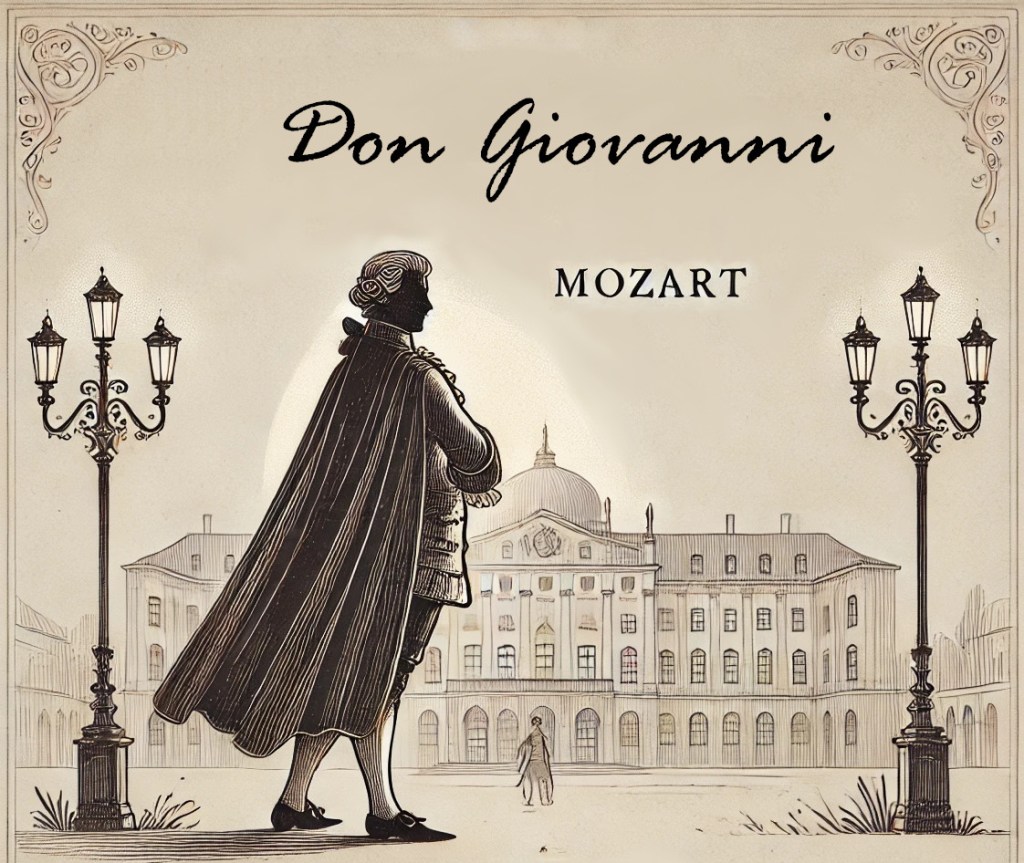 Continue reading →: Mozart’s Last-Minute Overture for Don Giovanni
Mozart as a master in procrastination. He used to finish compositions in a rush as deadlines approached. He reached the highest level with his opera Don Giovanni. He wrote the entire ouverture the night between the dress rehearsal and the premiere. The genius of Mozart, and the patient dedication of…
-
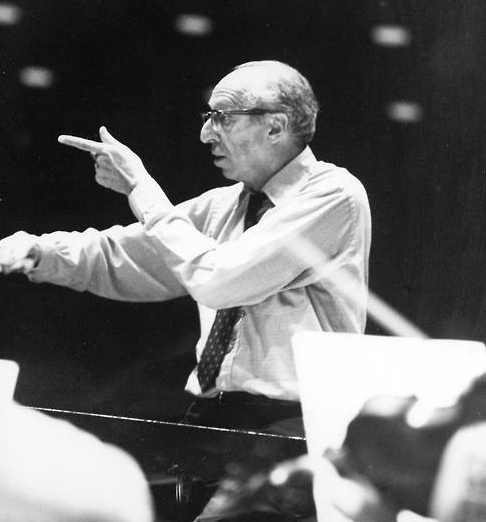 Continue reading →: Aaron Copland’s radical change
Connotations for orchestra has been a turning point in Aaron Copland’s career. Career that took a hard hit the evening of the premiere. The score is in twelve-tone style. At the time, the audience was not ready for such a revolutionary Copland.
-
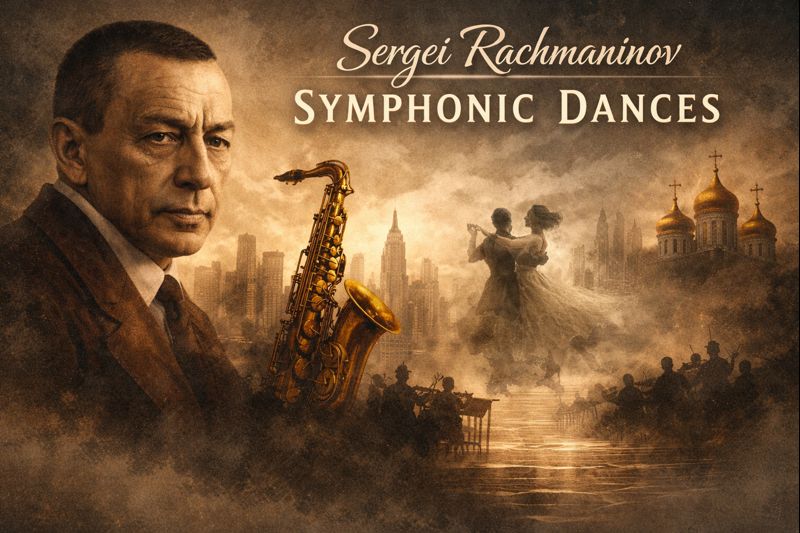
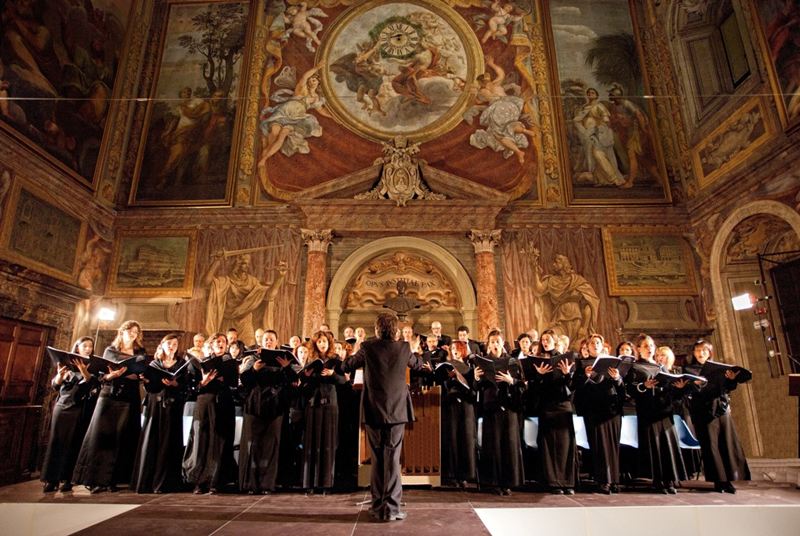 Continue reading →: A sacred work by Rachmaninoff
Sergei Rachmaninoff (1873-1943) wrote Liturgy of St. John Chrysostom in 1910, after returning from a tour in America.
-
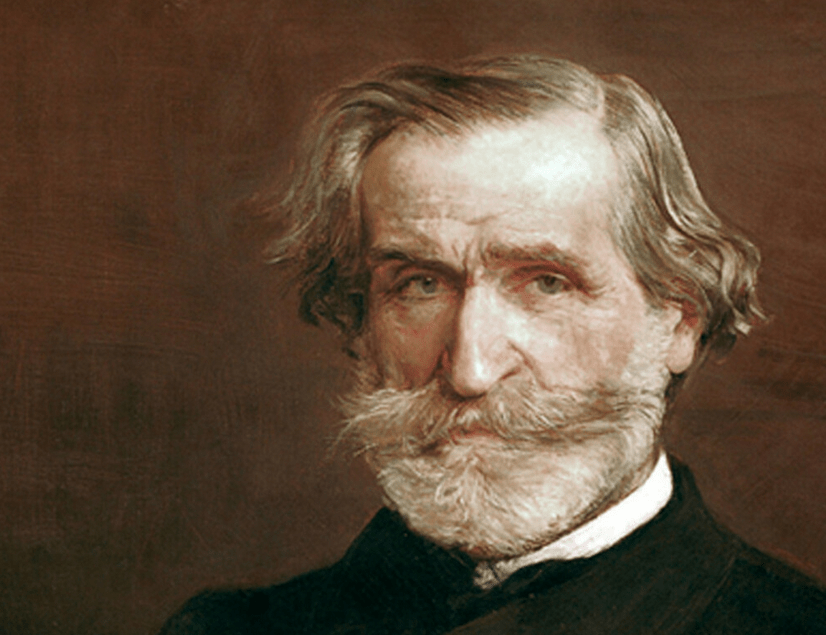 Continue reading →: Requiem (Verdi) – a tribute to Alessandro Manzoni
It was 1873 when an excited Giuseppe Verdi (1813-1901) wrote to his editor a letter telling him that he “would like to put in music a Mass for the dead [Requiem], to be performed next year for the first anniversary of his [Manzoni’s] death. This Mass would have great extent,…
-
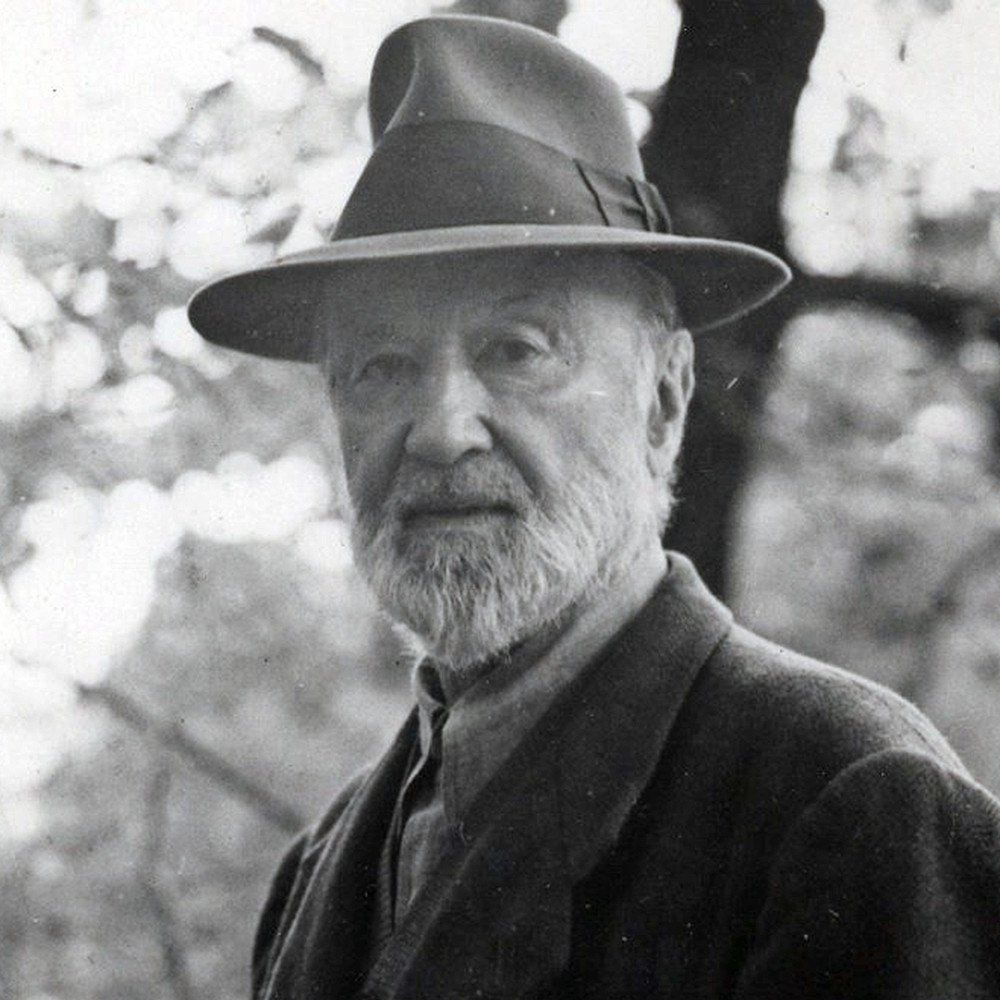 Continue reading →: Charles Ives, insurance agent
Charles Ives (1874 -1954) was a very uncommon composer. Perhaps because his first occupation wasn’t related to music. Yet, he created beautiful and futuristic music. How he did it? That’s an Unanswered Question!
-
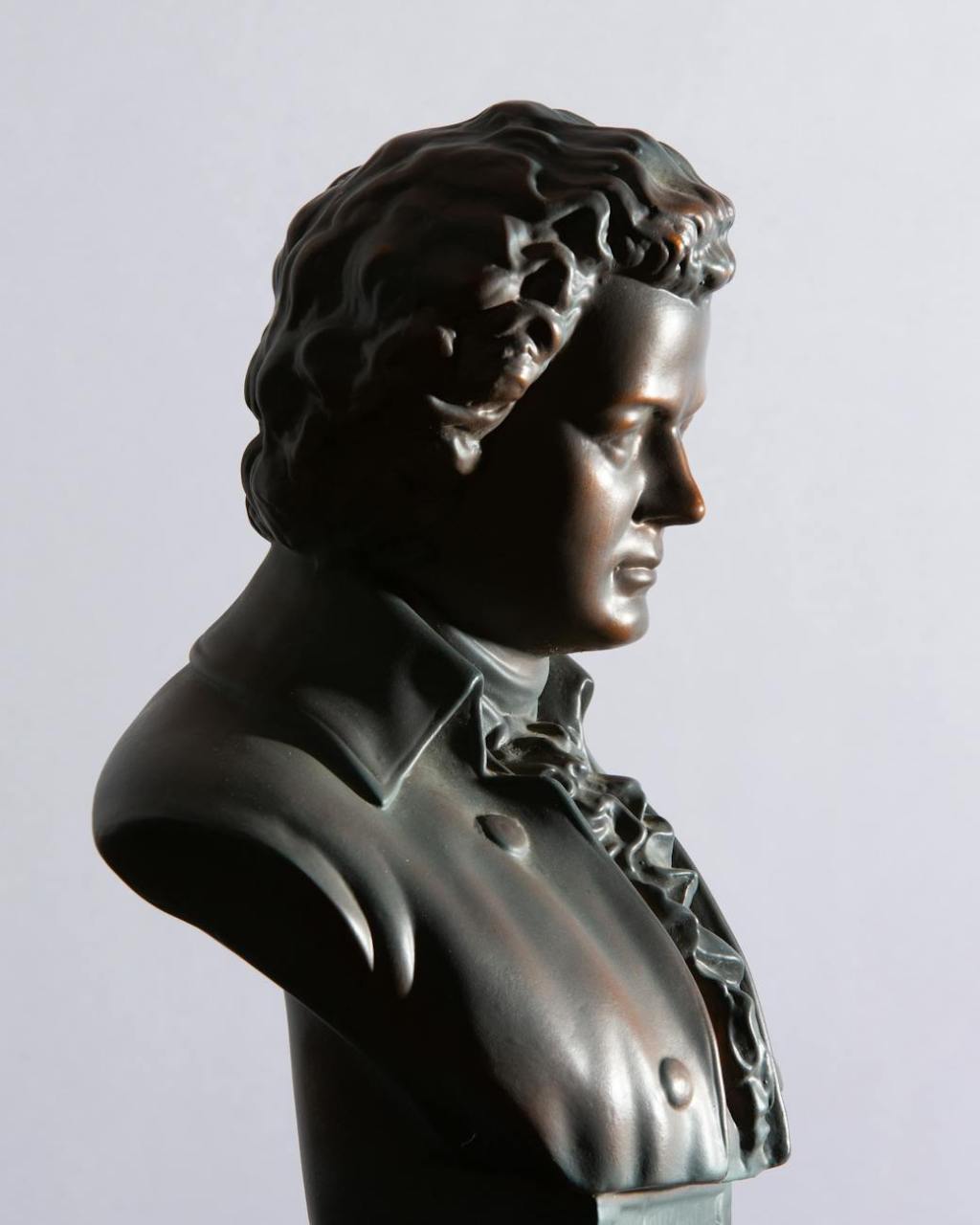 Continue reading →: That time Beethoven conducted, but no player followed him!
It happened for the premiere of his 9th symphony! The masterpiece that marked the history of music, with its innovations in form and orchestration.
-
 Continue reading →: Richard Wagner with Love
Richard Wagner was a very tough man. His strong attitude, his ideas on a complelety new model for opera. But he could also express feelings, in particular love, for his wife.
Sponsored By

Enhance your classic soul with a contemporary twist.